Tea, Scorecards, and Dramatic Pauses: Hosting a Eurovision Night the Turkish Radio Way
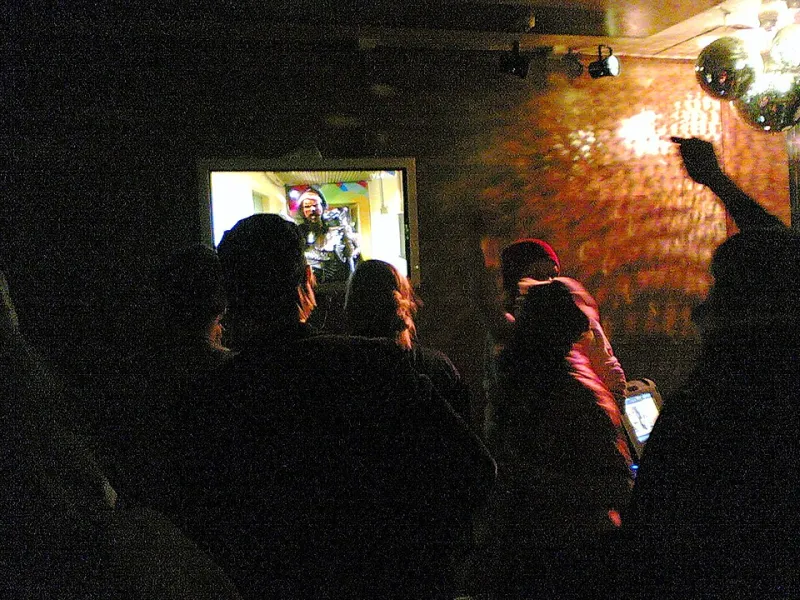
Photo: Ville Miettinen from Helsinki, Finland, CC BY 2.0, via Wikimedia Commons
Ask a Turkish radio listener what the biggest night of the television calendar is, and they won't say the Super Bowl, the Oscars, or even the Champions League final. They'll say Eurovision. And they won't just mean the three-hour broadcast — they mean the entire day that surrounds it.
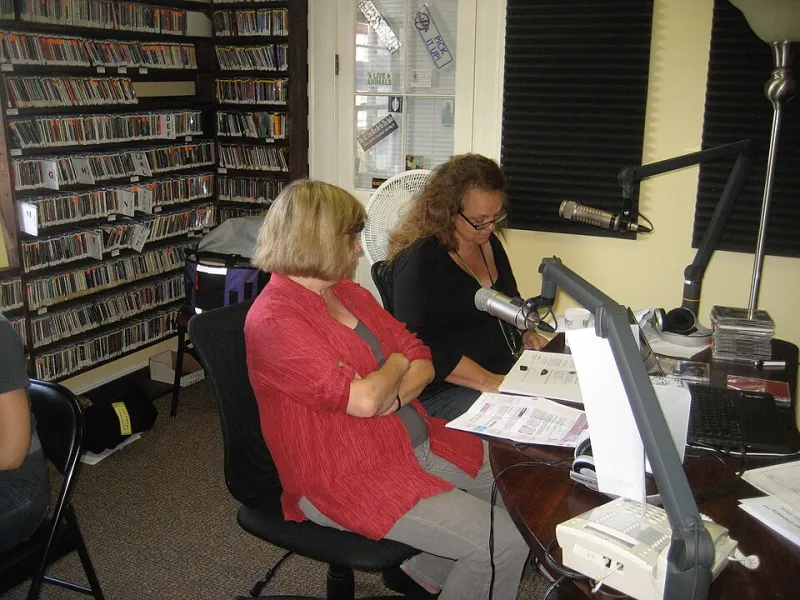
At Turkish stations, Eurovision day is programmed like a national holiday. The morning show warms up the debate. The afternoon slots belong to guest commentators. The evening broadcast itself is treated almost like a companion track. And after the winner is announced, the phones light up for a post-mortem that can outlast the contest itself. It's a level of commitment that makes American award-show viewing parties look like a casual group chat.
The good news: you can steal this format. Here's how it works, and how to run it in your own apartment.
The Full-Day Arc, Not a Three-Hour Sprint
The first thing Turkish radio programmers understand is that Eurovision is a marathon of opinions, not just songs. The broadcast is the centerpiece, but the real content is everything around it — the predictions, the arguments, the betrayal when someone's favorite flops in the semi-final.
Think of it the way you'd think about Super Bowl Sunday. Nobody shows up at kickoff. People arrive for the buildup, stay for the commercials and snacks, and linger for the debrief. Turkish radio builds that same rhythm into the schedule deliberately: warm-up, main event, post-game analysis. Your watch party should have the same three acts.
Act One: The Pre-Show Tribunal
In a Turkish studio, the hours before the broadcast are given over to what can only be described as a tribunal. Hosts, callers, and anyone with a phone connection rank the entries, predict the voting blocs, and — this is the crucial part — defend their picks with the intensity of a courtroom attorney.
For your American party, assign this formally. Before the broadcast starts, have every guest present their top three and name their predicted winner. Make people argue. The magic of the Turkish format isn't the predictions themselves; it's that everyone has to commit publicly, so that later, when the results come in, there are receipts.
Pro tip from the radio world: write everyone's picks on a whiteboard or the back of a pizza box. The scoreboard is half the entertainment.
Act Two: The Broadcast, With Commentary
Here's where Turkish radio does something American TV parties rarely attempt: they keep talking during the show. Not over the songs — the songs are sacred — but in the gaps. Between acts, during the postcard videos, during the long voting sequences, the studio hosts fill silence with color commentary.
Designate a host for your living room. Their job is to keep the room engaged during the dead air: quiz people on flag trivia, force a hot take on the current staging, or launch a debate about whether the key change is a lost art. When a song everyone privately loves comes on, the host's job is to notice who's secretly dancing and report it to the group.
And the tea? Non-negotiable. Turkish radio broadcasts run on çay — small glasses, constant refills, brewed strong. You don't need a double teapot, but keeping a kettle going and something warm to drink through the whole broadcast is a genuinely different experience from the beer-and-chips default. It slows the night down in the best way.
Act Three: The Post-Mortem Call-In
This is the segment that Turkish radio fans are most loyal to, and the one American parties almost never have. After the winner is announced, the studio opens the phones and lets listeners process. Joy, outrage, conspiracy theories about the jury vote — all of it goes on air, sometimes for hours.
At home, this translates to a structured debrief. Go back to the whiteboard. Crown the person whose predictions held up. Let the person whose favorite got zero points deliver a eulogy. If your group texts a friend who couldn't make it, put them on speaker — congratulations, you've invented the call-in segment.
The post-mortem is where the party actually becomes a tradition. It's the difference between watching something and having an opinion about it, and opinions are the whole point.
A Minute-by-Minute Run Sheet
Want the compressed version? Here's your Radyo Odtü-style timeline for the evening:
- T-minus 90 minutes: Guests arrive. Tea or coffee served. Playlist of past Eurovision entries playing low in the background — no silence allowed.
- T-minus 60 minutes: The tribunal. Everyone presents picks and predictions. Whiteboard goes up.
- T-minus 30 minutes: Snack checkpoint. In the spirit of the format, put out something that requires sharing — a meze-style spread of small plates beats individual bags of chips.
- Broadcast: Host keeps commentary flowing in the gaps. Songs stay sacred. Voting sequence becomes a live ranking game — everyone reorders their top five before the results land.
- Post-show: The post-mortem. Score the whiteboard, air grievances, crown a winner, and let the person who called the result from the beginning be insufferable until the last guest leaves.
Why It Works
There's a reason Turkish radio never treated Eurovision as background noise. The contest is built for community reaction — the voting blocs, the dramatic reveals, the neighborly points exchanges — and radio's whole DNA is about people responding together, in real time, with their voices.
Your living room can run on the same principle. Structure the night, commit to opinions out loud, keep the tea coming, and don't let anyone leave before the post-mortem. Do it once and you'll understand why, for Turkish listeners, the contest was never just a show. It was appointment radio with the picture turned on.
This year, skip the passive viewing party. Run the full playbook. The whiteboard alone is worth it.