When Ankara Meets 'No Cap': The Great Turkish-American Slang Experiment
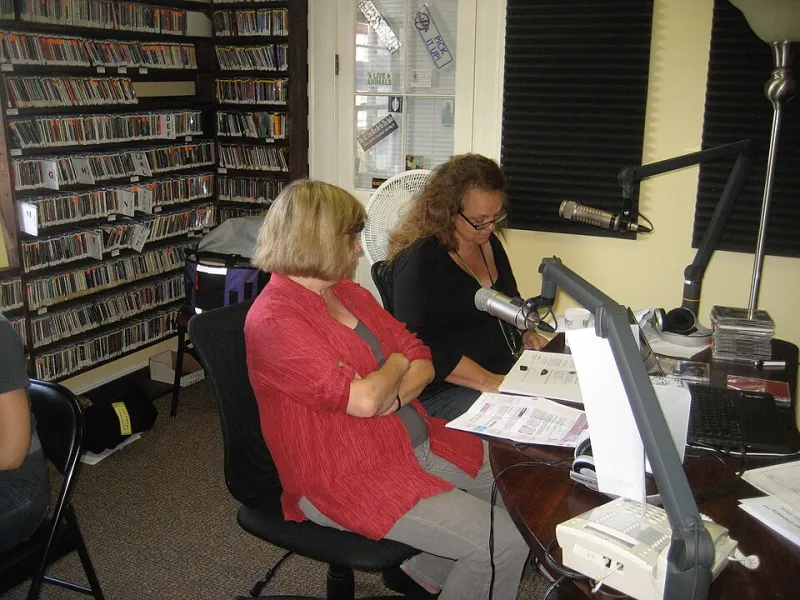
Photo: Infrogmation of New Orleans, CC BY-SA 4.0, via Wikimedia Commons
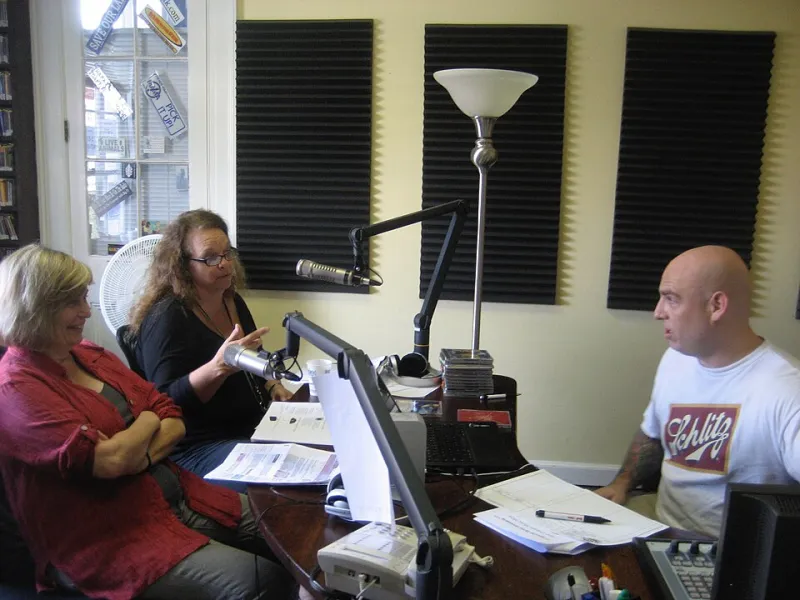
There is a moment, burned into the memory of everyone who heard it live, when longtime Radyo Odtü host Emre tried to say "no cap" during the morning commute show. What came out was closer to "nohh CHAHp" — a sound that exists somewhere between a Turkish coffee order and a sneeze. The switchboard lit up. A listener from New Jersey texted: "kanka it's 'no cap' not 'no kapsül.'" And just like that, a segment was born.
Why Turkish Mouths Fight American Slang
Turkish is a beautifully logical language. Every letter gets exactly one sound. Vowels stay crisp. Consonants don't quietly change jobs depending on their mood. American slang, meanwhile, is built on exactly the opposite philosophy: vowel collapse, glottal stops, and words that mean the opposite of what they say.
So when our hosts — raised on phonetic consistency — hit phrases like "it's giving" or "slaps," things get interesting. The "ng" in "slaps" isn't the problem; Turkish has that sound (think langırt, table football). The problem is the attitude. Turkish radio diction trains you to finish every word cleanly, and "it's giviiiin'" demands you trail off like you're too bored to finish. Our hosts had to unlearn decades of good diction. Several took it personally.
The Hall of Fame Fumbles
We kept a log. For posterity.
"No cap" → "noh CHAHp" — The inaugural disaster. Emre now says it flawlessly, but only on air. In person, he reportedly still panics.
"It's giving..." → "It ees giving" — Adding a vowel where American slang refuses to put one. Honestly? An improvement. "It ees giving Ankara autumn" is now an official weather forecast format.
"Bet" → "Behh-t" — Turkish has no final consonant clusters it likes, so "bet" came out with a small pause and an apology. Listeners voted it "the most polite usage of 'bet' in the Western Hemisphere."
"Lowkey" → "low-KEH-y" — A two-syllable word became three, and somehow became funnier. A listener from Chicago now signs off every call with "görüşürüz, low-KEH-y."
What Turkish Actually Makes Easier
Here's the plot twist: some American slang is easier in Turkish phonetics. The hard R? Turkish has the same tapped R from bir and var, so "for real" comes out shockingly natural — closer to the original than most Midwestern attempts. And "vibe" survived intact because Turkish borrowed so many words over the centuries that one more short, punchy loanword feels like a homecoming.
The word "slay," meanwhile, needed no translation at all. Turkish Gen Z already said slay. The two languages shook hands without our help.
The Listening Guide
Want to hear the evolution yourself? Our archives are your field recordings:
- Week one: Listen for the hesitation before every slang word — a tiny intake of breath, like stepping into cold water.
- Week three: The words arrive faster, but the stress lands on the wrong syllable. "It's GIVing." Adorable.
- Week six: Full fluency, deployed with theatrical confidence. Emre now says "no cap" more often than any human should, mostly to prove he can.
Why We Keep Doing It
Because that's the whole point of community radio. Slang isn't vocabulary — it's membership. Every mangled phrase our hosts perfected was a small act of joining: a Turkish voice learning to sound like home and here at the same time. If you've ever moved between languages, you know the feeling. If you haven't, tune in some morning. It's giving, as we now correctly say, exactly what it needs to.