What Your Turkish Roommate's Radio Dedication Actually Means: A Field Guide
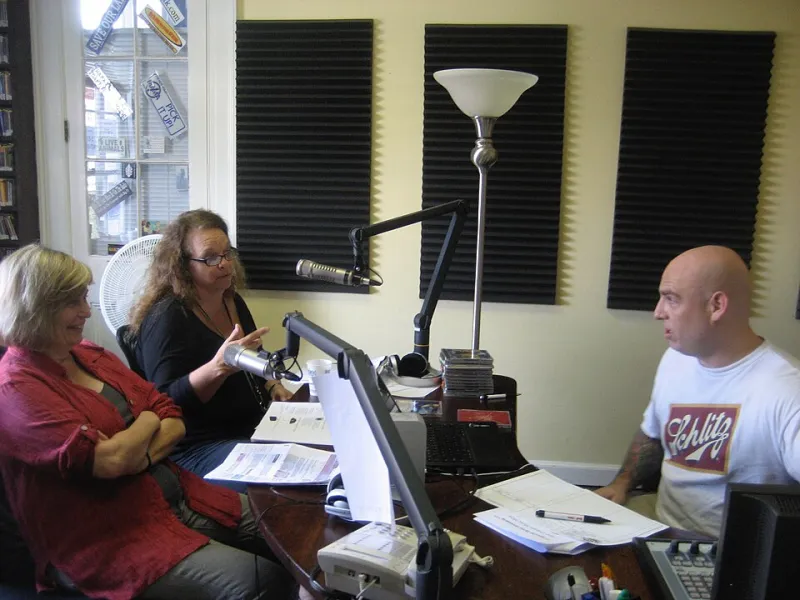
Photo: Infrogmation of New Orleans, CC BY-SA 4.0, via Wikimedia Commons
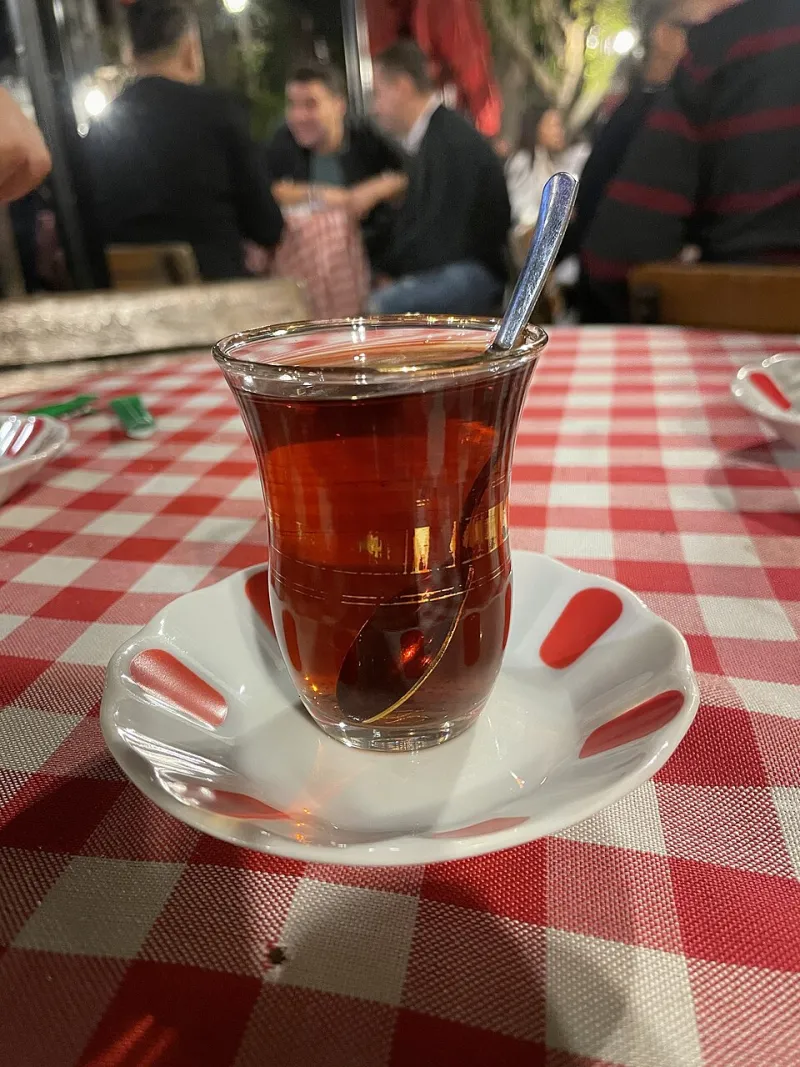
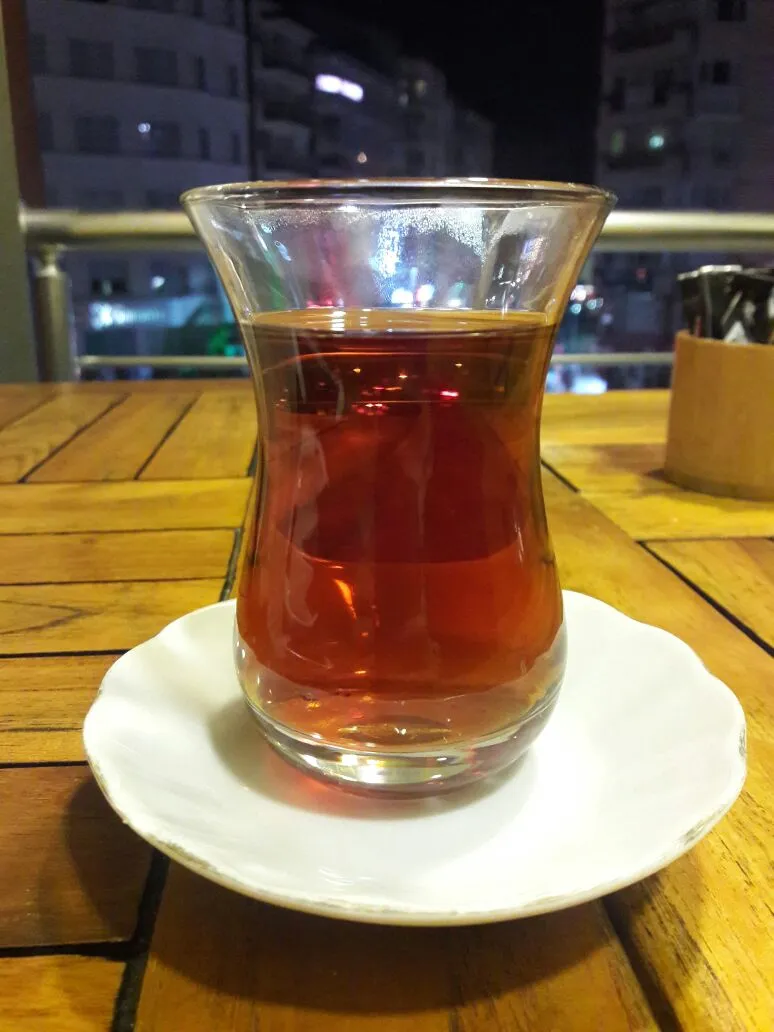
Somewhere between your roommate's third cup of çay and the song dedicated to 'my dear cousin Emre, who is getting married on Sunday, may Allah bless him, and also to his mother-in-law, who will now be his mother,' you may have wondered: what exactly is happening on this radio station?
Welcome to the Turkish radio shout-out, an art form so layered it makes a wedding toast look undercooked. If you've been sharing an apartment with a Turkish student or coworker who treats the request line like a family group chat, this guide is for you.
First, Understand What a Dedication Actually Is
In American radio, a dedication is usually a one-liner: "This one goes out to Jess. Stay strong, girl." Turkish radio operates on a different scale entirely. A dedication is a miniature biography, a public announcement, and occasionally a passive-aggressive message all rolled into ninety seconds of airtime.
The dedication isn't really about the song. The song is a delivery vehicle. The message is the payload. Listeners call in to mark anniversaries, announce exam results, settle friendly bets, and — this is the important part — talk to people they could easily text instead. That's not a bug. It's the whole point.
The Dedication Taxonomy
After years of listening (and reading the on-air messages live), we've sorted the shout-out ecosystem into recognizable species:
The Anniversary Marathon. A couple calls in on their one-month anniversary. Then their three-month. Then their one-year. The hosts know them by name by now. Listeners who've tuned in long enough have essentially watched this relationship develop in real time, like a sitcom with a soundtrack.
The Exam Victory Lap. "This goes out to my son Mehmet, who passed his university entrance exam." Expect the full national anthem energy. The host will ask for the score. The score will be provided. Applause will be simulated by the host, enthusiastically.
The Mother-in-Lay Joke. A beloved institution. Someone requests a song for their mother-in-law, and the message contains a compliment so elaborately worded that everyone — host, listener, nation — understands it's a loving jab. The mother-in-law presumably hears it and laughs. Or calls in next week with a rebuttal. Either way, content.
The Homesick Dedication. The quiet one. A listener abroad — maybe in Chicago, maybe in Berlin — requests a song for their mother back in a village you've never heard of, and the message is just "I miss your cooking." This is the dedication that makes the whole format make sense.
Why the Diaspora Treats the Request Line Like a Lifeline
Here's the part worth sitting with. For Turkish speakers living in the US, the request line isn't a novelty — it's infrastructure.
When your grandmother in Ankara can stream the same station you're playing in your Denver apartment, a dedication becomes a phone call you make in front of an audience. It says: I'm still here, I still remember the wedding date, I still know your neighbor's son passed his driving exam. Time zones and ocean distance shrink to nothing when the host reads your name and your mother hears it three seconds later.
We've seen messages from listeners in Houston asking the host to tell their aunt that the newborn is named Elif, after her. We've seen a listener in Seattle request a song for a friend recovering from surgery, knowing the whole friend group will hear it. The radio is doing what social media promised and never quite delivered: a warm, human, slightly chaotic bulletin board for a scattered community.
So You Want to Call In? A Survival Guide
Maybe you've been moved. Maybe you want to dedicate a song to your Turkish roommate's birthday. Noble impulse. Before you dial, a few ground rules:
Do have a specific person and reason. "This is for my roommate Deniz, because she survived finals week" is perfect. "Just, like, a song, I guess" will get you gently roasted on air, and the roast will be deserved.
Do expect a conversation. The host will ask questions. Where are you calling from? How do you know Deniz? Have a one-sentence backstory ready.
Don't rush the message. American radio trains us to be brief. Turkish radio trains us to be thorough. A little flourish is appreciated. A lot of flourish is tradition.
Don't panic if you mangle a word or two. Turkish hosts have heard every possible American accent, and the effort counts. Attempting the name of the song in Turkish will earn you instant goodwill.
Do accept that your dedication might spawn a sequel. If Deniz's mother hears it and calls in to thank you, congratulations — you're part of the broadcast now.
The Punchline Is the Community
If you take one thing from this guide, let it be this: the shout-out is funny, but it isn't a joke. Behind the mother-in-law bits and the anniversary marathons is something Americans keep claiming to want — a local place where everyone knows your name, except it's not local, it's everywhere Turkish is spoken.
Your roommate isn't wasting time on the request line. They're keeping a thread connected across ten time zones. Now, when the host reads a message for someone's aunt's neighbor's son, you can nod knowingly and say, "Classic exam victory lap."
And maybe, one day, you'll pick up the phone yourself.