From Ankara With Confetti: The Turkish Art of Turning Anything Into a Party

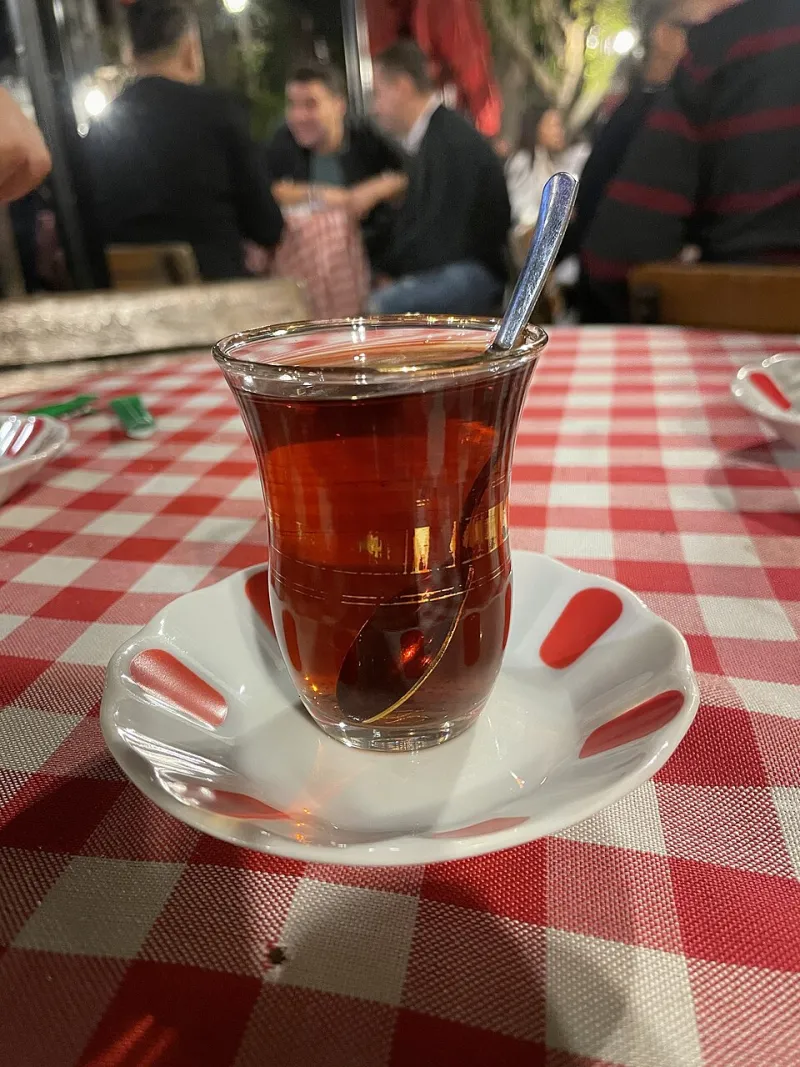
Photo: Sarah from UK, CC BY 2.0, via Wikimedia Commons
There's a moment that happens on American college campuses every May, usually around 9 p.m. local time, when a room full of students who have never heard of Käärijä or a Turkish pop entry suddenly find themselves screaming at a laptop screen in three languages.
That moment is a Eurovision watch party, Turkish student association edition. And if you haven't been to one, you're genuinely missing out on one of the great cultural exports of the decade.
The Rules of the (Watch Party) Game
First, understand this: Turkish students do not "watch" Eurovision. They inhabit it. The event starts hours before the first note, because the food has to be right. Someone's mother has mailed simit. Someone else's aunt's borek recipe has been attempted in a communal kitchen with mixed results and zero regrets. The tea — never coffee, or at least not only coffee — flows from a proper çaydanlık that one brave soul lugged back from Istanbul in a suitcase.
Then the voting happens, and here's where the American friends get recruited. You will be assigned a country. You will be taught to boo the jury results with the correct amount of theatrical betrayal. You will learn that "12 points" is not a score, it's a declaration of love.
Graduation Season Meets Grand Final Season
The timing is beautiful, honestly. May is when Eurovision collides with finals week and graduation, which means Turkish student groups are operating at full emotional capacity. The same crew that hosted a watch party on Saturday will be setting up a graduation spread by the following weekend — and the format is suspiciously similar.
That's not a coincidence. In Turkish student culture, the occasion matters less than the gathering. Passed an exam? That's a dinner. Finished a thesis? That's a bigger dinner, plus singing. Someone got a job in Chicago? Don't make plans for the weekend.
American roommates of Turkish students have started to notice the pattern. One senior at a Big Ten school told us her Turkish suitemates turned her last final into "a whole thing" — home-cooked food, a playlist, a toast with Turkish cola because nobody was old enough for raki. "I got a B-minus and they treated it like I won a Grammy," she said. "I've never felt more celebrated for less achievement in my life. Honestly? Life-changing."
The Playlist Is the Real Diplomat
Every one of these gatherings runs on music, and the queue tells a story. It opens with current Turkish pop — the kind of stuff you'd hear on Radyo Odtü between classes — migrates through a few nostalgic 90s hits that make the seniors emotional, and ends, inevitably, in a full-room singalong that no one planned and everyone needed.
That's the part that converts American friends into regulars. You don't need to speak Turkish to recognize a room full of people singing a chorus like it owes them money. The emotion is the translation.
Bring a Plate, Leave With a Community
If there's a takeaway for American students wondering why their Turkish classmates keep inviting them to things: say yes. The potluck etiquette is simple — bring something, even store-bought, and nobody will judge you. The singing etiquette is even simpler — mumble until the chorus, then commit.
Eurovision season ends. Graduation ends. But the habit of marking every milestone with food, music, and too many people in one apartment? That tends to stick. Consider this your official invitation.