Dial Tone Comeback: Turkish Radio Never Hung Up on the Request Line — Now Gen Z Wants In
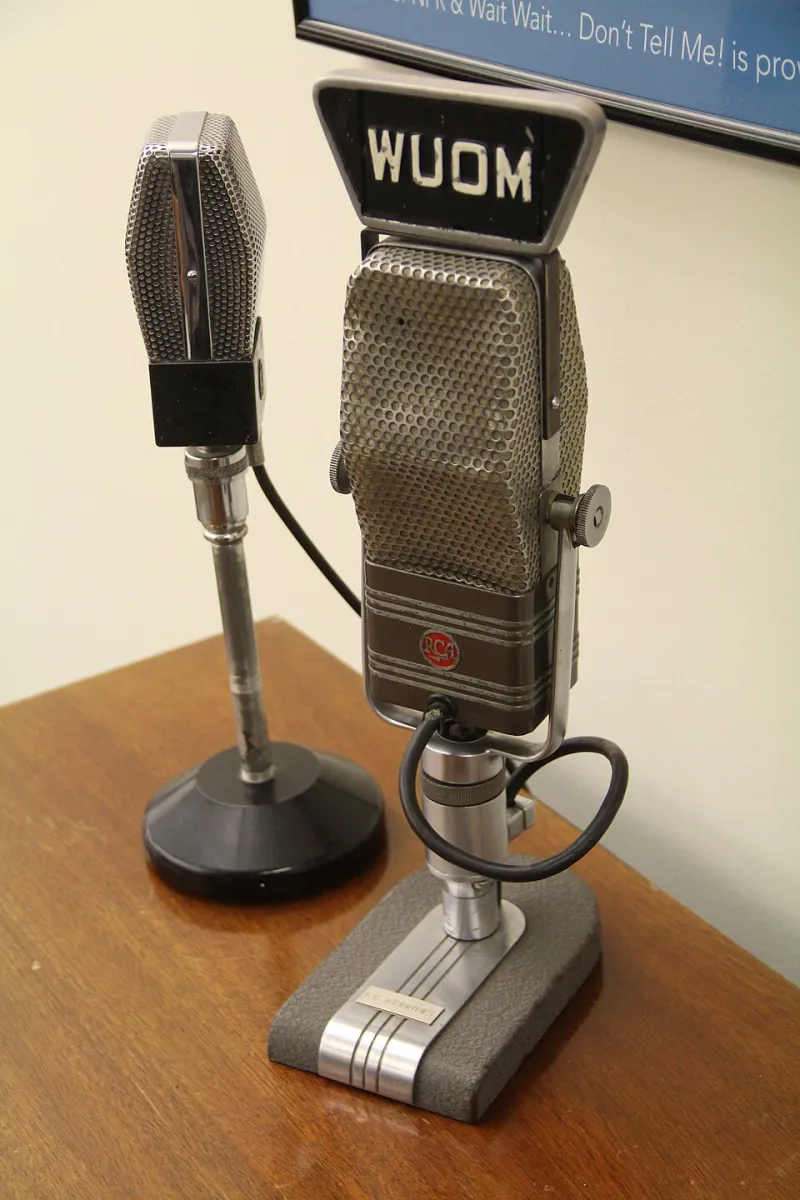
Photo: Fourandsixty, CC BY-SA 4.0, via Wikimedia Commons
Somewhere in Ankara right now, a college student is calling a radio station to request Sezen Aksu. Not texting. Not sliding into a DM. Calling. On a phone. Like it's 1987.
Meanwhile, in Brooklyn, a 21-year-old is watching a TikTok live stream where the host reads song requests out loud from the comments, and thousands of people are typing "PLAY MINE NEXT" in all caps. Same energy. Same ritual. Half a world apart.
Turkish radio never killed the request line. American radio did — and now Gen Z is quietly digging it up. Let's talk about how one country kept the phone ringing for forty years while the other is only now remembering why it mattered.
What Turkey Never Stopped Doing
If you grew up anywhere near a Turkish radio, you know the request line wasn't a gimmick. It was the show. Hosts would answer calls live, chat with listeners like old friends, tease them about their song choices, and occasionally turn a two-minute request into a ten-minute life story. Grandmothers called in for their grandkids. Soldiers called in from their service posts. Couples made up — and broke up — live on air.
The dedication culture around it became its own art form. A song request was never just a song request; it was a message, a coded apology, sometimes a full-blown public declaration. American radio used to have a version of this, but somewhere between consolidation and automation, the phone lines went dark. Voice-tracking replaced live calls. Algorithms replaced listeners.
Turkish stations, especially campus and community outfits, just... never saw the memo. The request line stayed staffed because it was understood as the whole point: radio is a conversation, not a broadcast.
Enter Gen Z, Phone in Hand
Here's the twist: the generation that supposedly hates phone calls is reviving the request line — just in formats it built itself.
TikTok live streams where hosts take real-time song requests have become a genuine phenomenon. The comment section functions as a giant, chaotic request line, complete with the same drama Turkish radio perfected decades ago: the dedications, the shoutouts, the "this one's for my ex who I hope is watching."
Discord has gone further. Community-run "radio bots" let servers vote on tracks and even trigger live voice requests in voice channels. College stations in the US — from Bloomington to Austin — are reporting something their parents would find familiar: young listeners calling in during live shows, nervous and delighted, asking to hear a song with their name attached to it.
It turns out the thrill was never about the technology. It's about being heard, publicly, by a room full of strangers. That's a drug Turkish radio never stopped prescribing.
Why the Old Format Hits So Hard in 2025
We live in an era of infinite on-demand music. So why would anyone wait on hold to hear a song they could pull up in three seconds? Because that's exactly the point. Scarcity creates meaning. A song you requested — and waited for — lands differently than one you tapped.
There's also the parasocial-meets-genuinely-social factor. Streaming is lonely by design; the request line is communal by design. You're not just consuming content, you're in it. Turkish radio understood this so deeply that entire shows were structured around the calls, not the music.
And honestly? There's a performance aspect Gen Z loves. Getting on air is a micro-moment of fame, clipped, shared, memed. Turkish hosts have been producing those moments live for decades without ever needing a hashtag.
Building a Request Line That Doesn't Feel Like a Museum
If you run a community station in the US and want in on the renaissance, here's the playbook — equal parts Ankara and 2025:
Answer the phone live. No screening delay, no "leave a message." The imperfection is the charm. Turkish hosts let calls get messy because messy is human.
Layer your channels. Phone line, WhatsApp voice notes, Discord voice channel, TikTok comments. Turkish stations now juggle all of these simultaneously during a single show. The request line isn't a number anymore — it's a presence.
Make the dedication the content. Don't just read a name and play a song. Ask why. Let the story breathe. One good call-in story beats three filler tracks.
Train your hosts to talk with, not at. The best Turkish hosts are part DJ, part bartender, part therapist. That's a skill, and it's learnable.
Clip the magic. Every great call is a short-form video waiting to happen. Your request line is also your marketing department.
Keep the ritual. Same time, same show, same invitation to call. Rituals are why Turkish listeners have called the same shows for generations.
The Frequency Never Died — It Just Changed Area Codes
There's something deeply satisfying about the West rediscovering, via TikTok, what a small station in Ankara never stopped doing. The request line isn't nostalgia. It's a live wire that Turkish radio simply refused to cut — and now it's powering a new wave of American community radio.
So the next time your campus station posts a number and says "call us," do it. Be nervous. Stumble over your words. Request something ridiculous. Somewhere, a Turkish radio veteran is smiling, because you just did the most authentic thing in radio: you picked up the phone.