Ninety Seconds of Pure Ego: The Turkish Radio Jingle as a Lost American Art Form
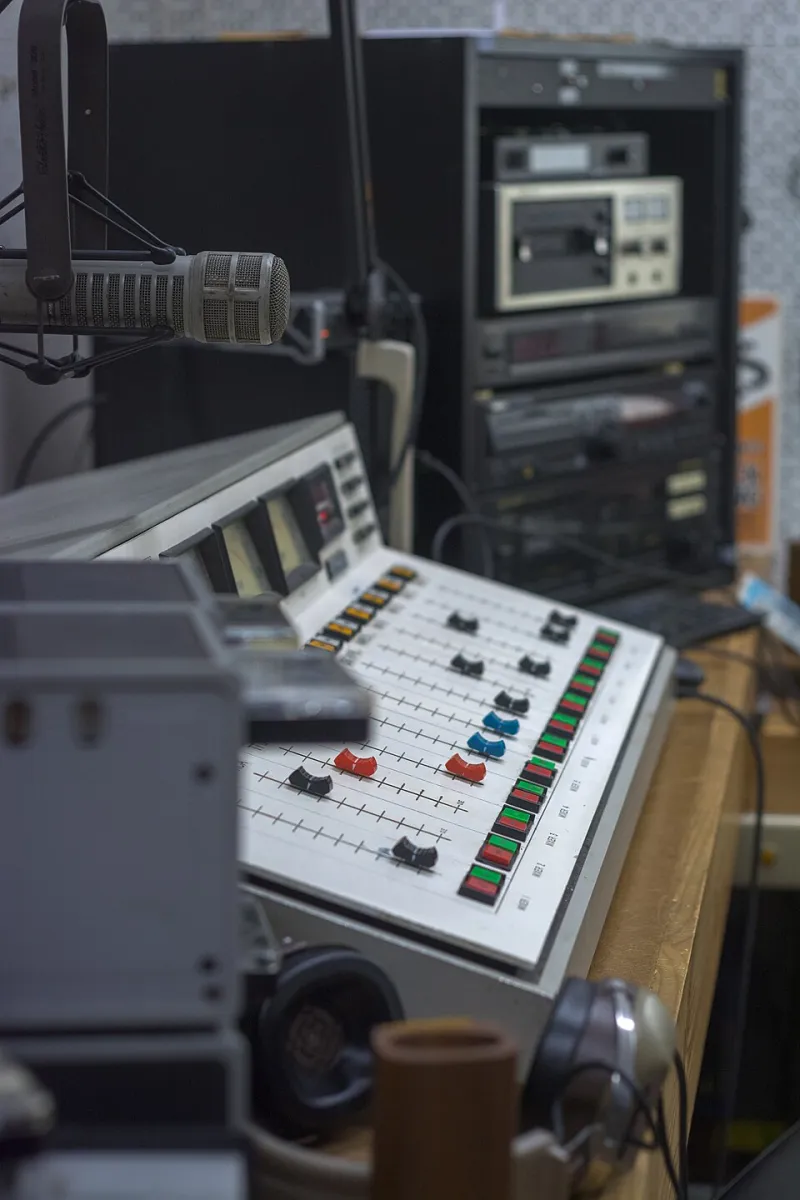
Photo: Ethan Long, CC BY-SA 2.0, via Wikimedia Commons
There's a moment that happens to almost every American who stumbles onto Turkish radio for the first time. They're streaming a station — say, ours — waiting for the song to end, and then instead of a host mumbling over the intro, they get hit with ninety full seconds of orchestrated chaos: a kanun shimmering like sunlight on water, a string section swelling like the trailer for an epic nobody asked for, and a voiceover announcer declaring the station's name with the gravity of a movie trailer and the confidence of someone who has never once doubted himself.
Then the actual song plays. And the listener realizes the jingle was, arguably, the best thing they've heard all morning.
The Break Is the Brand
American radio — and especially the podcast generation that replaced it — treats the station break as an apology. "We'll be right back after this word from our sponsor." "Quick break, don't go anywhere." Even the cool indie stations tend to mumble their call letters like they're embarrassed to be there.
Turkish radio never got that memo, and honestly, thank goodness. In the Turkish broadcasting tradition, the station ID is not a transition. It's a statement of purpose. Stations commission real arrangements — often recorded with actual session musicians in Istanbul studios — for breaks that last less time than it takes to microwave a burrito. The melody might borrow from Anatolian folk modes, the rhythm section might swing into something funky, and the voiceover guy delivers the station name like he's announcing the last flight home.
The philosophy underneath it is simple: if you're going to interrupt the music, you'd better be worth interrupting it for.
Why Ninety Seconds Works When Six Doesn't
Here's the part that should interest every podcaster and community radio volunteer in the US: the length is the point.
A six-second sonic logo, the kind most American stations use, is a mnemonic device. It says "remember us." A ninety-second Turkish-style jingle does something different — it says "deserve us." It gives the arranger room to build an actual composition, gives the voice actor room to perform rather than read, and gives the listener a small emotional arc before the next song drops. It's a palate cleanser, a trailer, and a flex all at once.
There's a craft-obsessed culture behind it, too. Turkish radio production houses have historically treated jingle writers the way ad agencies treat copywriters — as artists with a specialty. The good ones became known by name in the industry. Listeners could identify a station not just by its frequency but by the texture of its breaks: this one leans folk, this one goes full orchestral, this one sounds like a 1980s action show that never existed.
What American Podcasters Keep Getting Wrong
The average indie podcast intro today runs about fifteen seconds of licensed lo-fi and a host saying "hey guys, welcome back." It's functional. It's also forgettable, which in a market of four million shows is a slow death sentence.
The Turkish jingle tradition suggests three fixes, none of which require a big budget:
Commit to a voice. Not a host — a voice. Someone whose only job is to sound larger than the room. Turkish jingle announcers perform like the station is the most important thing happening on Earth at that moment. That conviction is contagious.
Let the music do the bragging. Instead of describing your show, arrange a tiny piece of instrumental music that feels like your show. A true-crime podcaster doesn't need to say "dark and gripping" if the strings already sound dark and gripping.
Don't fear the length. Counterintuitive, we know. But a well-built 60-to-90-second break becomes a signature — the thing listeners wait for, hum, and clip for TikTok. Nobody ever clipped a six-second sweep.
Hear It for Yourself
We're not neutral on this. Radyo Odtü's own station IDs follow the tradition — big melodies, bigger announcements, and arrangements our production team argues about the way other people argue about fantasy football. Listen through a couple hours of our stream and you'll start catching the difference: the break isn't dead air with branding slapped on, it's a miniature composition with a job to do.
And if you're a student with a laptop, a mic, and a dream of starting your own campus station — steal this. Write your jingle like it's the best ninety seconds of the hour. Because on Turkish radio, it always has been.