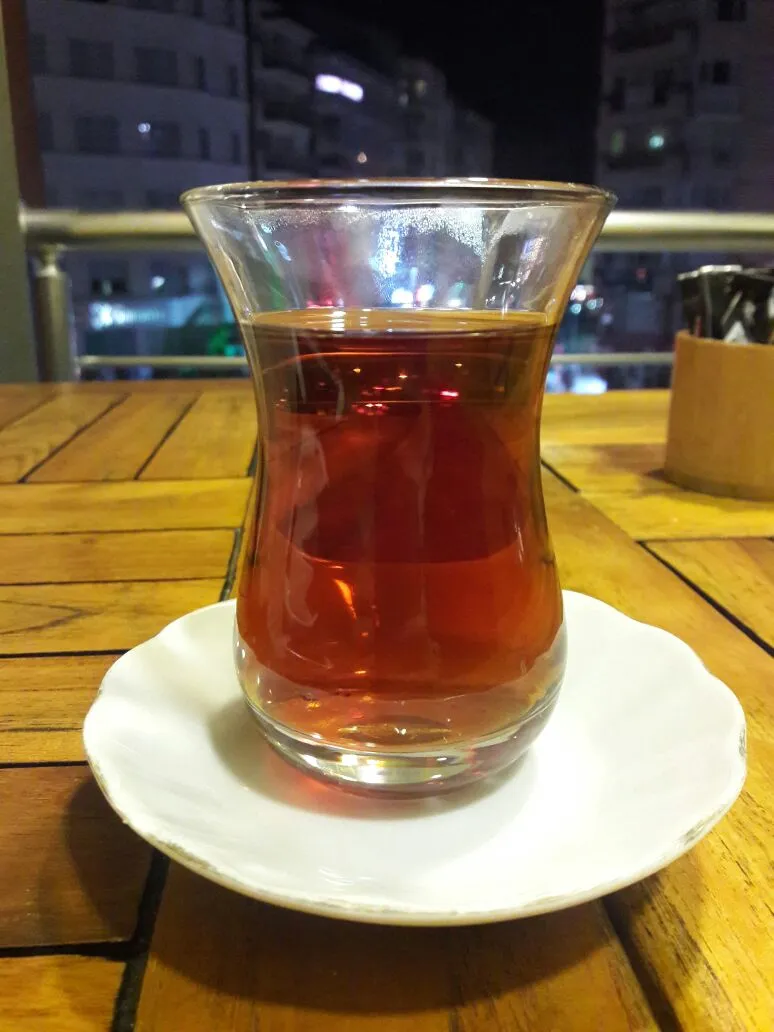
The Long-Distance Frequency: How Student Radio From Ankara Found an American Audience
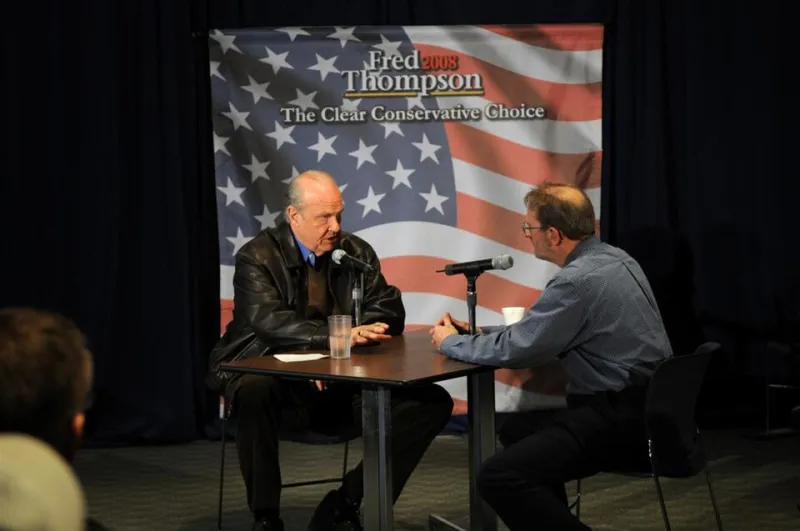
Photo: freddthompson, CC BY-SA 2.0, via Wikimedia Commons
Every campus radio station starts the same way: a cramped studio, borrowed equipment, and a programming schedule held together by enthusiasm. What happens next is where the stories diverge. For Radyo Odtü, the next chapter turned out to be written an ocean away — by Turkish speakers in the United States who found, streaming through their laptops and phones, a sound they didn't realize they'd been missing.
Born on Campus, Built for Broadcast
Radyo Odtü grew out of the Middle East Technical University — ODTÜ, as everyone calls it — one of Türkiye's most storied campuses, nestled in Ankara. From the start, the station embodied the classic college radio formula that Americans know well from institutions like KCRW or WNYU: student hosts, eclectic programming, and a stubborn refusal to sound like commercial radio.
But there was a twist. As streaming made geography irrelevant, the station's audience stopped being defined by the reach of an antenna. Turkish students studying abroad, first-generation immigrants, second-generation kids raised on English but curious about their parents' playlists — they all found the stream. What began as campus programming became, almost by accident, a transatlantic community.
The Diaspora Effect
Talk to anyone in the Turkish-American community — in New Jersey, Southern California, the Detroit metro area — and you'll hear a similar story. Turkish-language media in the US is thin on the ground. Satellite channels are expensive. Local Turkish radio? Practically nonexistent.
A free internet stream of Turkish pop, rock, and talk radio fills that gap in a way nothing else quite does. The music does heavy lifting here: artists like Tarkan, Sezen Aksu, and Duman aren't just hits, they're memory triggers — summers in Bodrum, family road trips, a grandmother's kitchen radio. For listeners thousands of miles from home, that's not background music. That's a lifeline.
And it works in the other direction, too. American listeners with no Turkish at all have started tuning in, drawn by the same curiosity that fuels the global appetite for K-pop and Latin pop. Turkish pop — bright, melodic, endlessly danceable — travels well. You don't need the lyrics to feel the chorus.
Why Talk Radio Travels
Here's what surprises people: it's not just the music. The talk programming — campus debates, culture segments, the kind of unhurried conversation commercial radio abandoned decades ago — resonates with American listeners too, even those who catch only every fifth word.
There's a growing audience in the US for radio that feels human. The podcast boom proved people crave long-form conversation; Turkish campus talk shows deliver that with a warmth that's hard to manufacture. And for Turkish learners in the US — and they're out there — it's immersive listening that no language app can replicate.
More Than Nostalgia
It would be easy to frame all of this as homesickness radio — a comfort blanket for the diaspora. But that undersells it. Second-generation Turkish-Americans stream the station not to look backward, but to build a bilingual identity. Non-Turkish listeners tune in for discovery. Students in Ankara gain an international audience for their work. The station stopped being a one-way broadcast a long time ago; it's now a genuine bridge, with traffic flowing both ways.
Tune In, Wherever You Are
The story of Radyo Odtü is really the story of what radio was always supposed to be: a signal sent out in good faith, picked up by whoever needs it. From Ankara to your airwaves — whether you're commuting on the L, stuck in LA traffic, or studying late in a dorm in Boston, the stream is on.
All you have to do is press play.