Beyond the Studio Door: What Turkish Live Remote Radio Teaches American Stations About Being Present
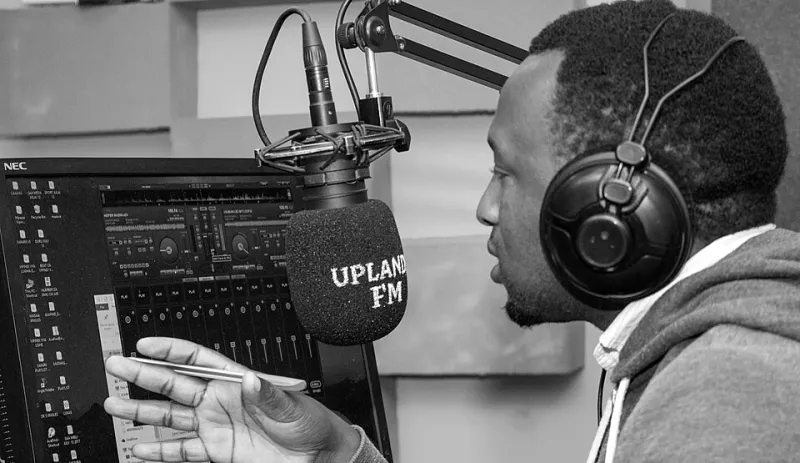
Photo: KelvinJM, CC BY-SA 4.0, via Wikimedia Commons
In American radio, the studio is a fortress. Soundproofed, temperature-controlled, and carefully lit for the webcam. But walk through the campus of Middle East Technical University in Ankara on a Thursday afternoon and you'll find Radyo Odtü hosts doing something different: dragging a microphone into a café, setting up a folding table on the quad, or broadcasting from the upper deck of a ferry as it cuts across the Bosphorus. The result isn't messy—it's alive. And it's a lesson American community stations and podcasters can borrow without breaking their audio budget.
The Magic of the Unplanned
Studio broadcasts are predictable. You know the playlist, the call-in guests, the weather bed. Remote broadcasts are not. A barista drops a saucer. A professor stops mid-sentence to wave at a student. A seagull screams into the microphone during what was supposed to be a serious interview about campus parking. Turkish hosts don't fight these moments; they weave them in. "That's the campus saying hello," one Radyo Odtü host laughed during a live café hour last spring, and the chat lit up with listeners who recognized the coffee shop from the sound of the espresso machine alone.
For American stations, this is a reminder that radio's oldest advantage—liveness—isn't just about being on air at a certain time. It's about being somewhere real. NPR's occasional remote broadcasts from state fairs and farmers markets hint at this, but Turkish campus radio takes it further: the remote is not a special event. It's a regular part of the programming rhythm. That regularity is what makes it feel natural rather than stunt-like.
Why It Works (and Why Your Station Needs It)
Remote hours solve a problem American community radio knows well: how to stay visible in a media landscape that increasingly lives online. A broadcast from a local record store or a Saturday morning at the farmers market puts your station's name in front of people who might never scan the FM dial. It also gives your hosts something to talk about that isn't just the playlist. The ambient noise, the passerby interviews, the unpredictable interruptions—they're content.
There's also a community-building angle. When a Turkish host broadcasts from a neighborhood café, listeners who show up in person become part of the show. The line between audience and participant blurs. American stations can replicate this by choosing locations where their listeners already gather: a beloved diner, a campus quad, a local bookstore, even a ferry if you're near water. The goal isn't to be polished. It's to be present.
The Practical Playbook: Gear and Setup
Taking the mic outside doesn't require a truck full of equipment. Radyo Odtü's student hosts often work with a portable recorder, a small mixer, and a couple of dynamic microphones that can handle room noise better than sensitive condensers. Here's a basic checklist for American stations and podcasters planning a remote:
- A reliable field recorder or mixer with backup battery power. Cellular bonding is nice, but recording locally and broadcasting later (or using a hybrid approach) is safer.
- Dynamic microphones like the Shure SM58 or similar. They reject background noise better than studio condensers and survive being dropped.
- Windshields and pop filters. Outdoor broadcasts live and die by wind protection.
- Closed-back headphones so your host can hear the mix over the café chatter.
- A backup plan for connectivity. If you're live, have a phone hotspot ready and a pre-recorded segment to fill dead air if the signal drops.
Planning Without Overplanning
Turkish remote broadcasts feel spontaneous, but they're not accidental. Hosts scout locations, get permission, and think through the basics: Where will the mic sit? Is there a power outlet? What's the backup if it rains? But they leave the content loose. A segment outline might include three talking points, a song, and a guest—but the host is free to abandon the plan if something better happens.
American stations can adopt the same approach. Pick a location, confirm logistics, then resist the urge to script every minute. A remote hour that's too tightly formatted feels like a studio show with worse acoustics. The whole point is to let the place shape the show.
Managing Ambient Noise (Without Fighting It)
Noise is the enemy of clean audio, but it's also the texture of a remote broadcast. The trick is to manage it, not eliminate it. Position microphones close to the mouth—within a few inches—and use cardioid patterns to reject some of the room. Avoid broadcasting directly next to a blender or a busy street. But don't obsess over every clink and cough. Listeners expect remote audio to sound like a place, not a vacuum.
One useful technique from Turkish radio: the host narrates the scene. "We're at the campus café, and the lunch rush is starting," they'll say, turning background noise into context. American hosts can do the same. Acknowledge the environment. It makes the audience feel like they're there, too.
Engagement and Promotion
A remote broadcast is a marketing event as much as a programming one. Radyo Odtü promotes its remote hours on social media with specific locations and times, inviting listeners to stop by. American stations can do the same: post a photo of the setup, announce the location, and encourage listeners to come say hello. If your station has a request line, route it through a mobile phone so listeners can call in and talk to the host on location. The combination of in-person and on-air participation is what makes remote hours feel like a party rather than a chore.
The Post-Broadcast Afterlife
Not every remote has to be live. Many Turkish hosts record their field segments and edit them into later shows, keeping the best ambient moments and dropping the technical hiccups. For American podcasters, this is a natural fit: record the remote, then cut it into a polished episode with the sounds of the place intact. The raw material is richer than anything you'd get in a studio, and the editing process is straightforward.
The Studio Isn't Dead—It's Just Not the Whole Story
None of this means American stations should abandon their studios. The studio is where the tight mixes and intricate interviews happen. But the remote broadcast is where radio reminds people that it exists in the real world. Radyo Odtü's hosts aren't trying to be perfect. They're trying to be somewhere. And that's exactly why listeners keep tuning in.