Your Dorm Room Is a Radio Station: A Starter Guide for Turkish Voices in America
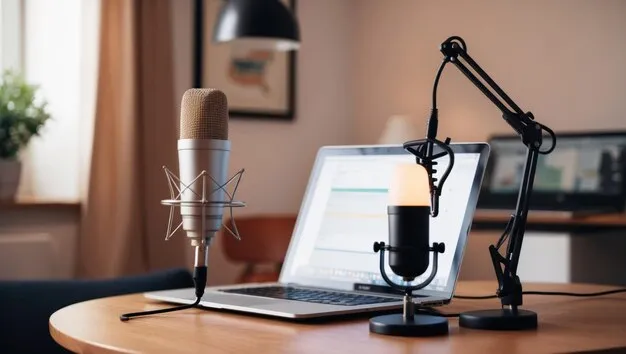
Photo: student recording podcast dorm room microphone laptop, via img.freepik.com
Somewhere in a Boston dorm room, a Turkish student is holding a $60 microphone and asking the same question you are: could I actually do this? Yes. You can. Community radio is the last truly low-barrier media format in America, and the Turkish diaspora is badly underserved on American airwaves. Here's the full playbook — gear, formats, call-in etiquette, and the checklist to tape above your desk.
The Gear: Under $150, Seriously
Forget the studio fantasy. Modern radio is a laptop with opinions.
- Microphone: A dynamic USB mic (Audio-Technica ATR2100x or the Samson Q2U) runs $60–80 and forgives echoey dorm rooms. The Samson even has both USB and XLR, so it grows with you.
- Headphones: Any closed-back pair you already own. Do not broadcast on speakers — the echo will out you as an amateur instantly.
- Software: OBS is free and records audio and video. Audacity for editing. Both have more YouTube tutorials than you could watch in a semester.
- Free quiet space: Laundromats at 9 a.m., empty study lounges, your car. Yes, your car. Radio people have recorded in cars since radio existed, and the acoustics are genuinely good.
Picking a Slot That Survives Time Zones
This is the part everyone gets wrong. Your audience is scattered across four US time zones, plus relatives back home who'll want to listen from Ankara. Two formats work:
The Sunday Evening Anchor (6–8 p.m. ET): Early enough for West Coast listeners, late enough that East Coast folks are home. Sunday works because it's the loneliest day of the expat week — homesickness peaks, and so does the urge to hear Turkish voices.
The Commute Replay Model: Record Thursday night, publish Friday morning with a live chat instead of live calls. Less glamour, way more listeners.
Whatever you pick, be consistent. A weekly show at a fixed time builds a habit; a monthly show builds nothing.
Formats That Actually Work for Diaspora Audiences
- The 20-Minute Music Block: Three Turkish songs, one sentence of intro each, zero filler. Perfect first episode. Nobody expects a four-hour epic on day one.
- The Two-City Compare: You in the US, a friend in Ankara on a WhatsApp voice note. Cost of living, weather, traffic complaints. Ends up funnier than it sounds.
- The Turkish Lesson in Reverse: You explain American customs to listeners back home. Americans eavesdropping will love it too — it's their culture through fresh eyes.
Call-In Etiquette, Ankara-Style
If you've listened to Turkish radio, you know the call-in is a sacred art form. The rules translate directly:
- The host greets, the caller talks. Don't interrupt the first thirty seconds, even if they're telling a story that's going nowhere. Especially then.
- Everyone gets a nickname. "Ahmet from Ohio" is radio gold; plain "Ahmet" is a phone call.
- The host ends the call, always. Politely, with a thank-you and a transition line. Never let a caller say goodbye first — it sounds like an eviction.
- Screen your first calls ruthlessly. Text people before putting them live. One bad-faith caller can end a young show's confidence.
The Starter Checklist
- USB dynamic mic + headphones
- Free recording software installed and tested once
- Show name and fixed weekly slot chosen
- Three episodes outlined before you broadcast the first
- A WhatsApp group for listeners (start with five friends)
- One co-host or recurring friend on voice notes, so you're never talking to a void
- Backup recording of episode one, because you will want to hear it later and cringe fondly
Why Bother
Because homesickness is expensive — flights, phone plans, imported chocolate — but a radio show costs a microphone and two hours a week. And unlike a group chat, a broadcast reaches strangers who become regulars who become the people who bring you soup when you're sick in a country that isn't yours. That's not content. That's infrastructure. Build some.